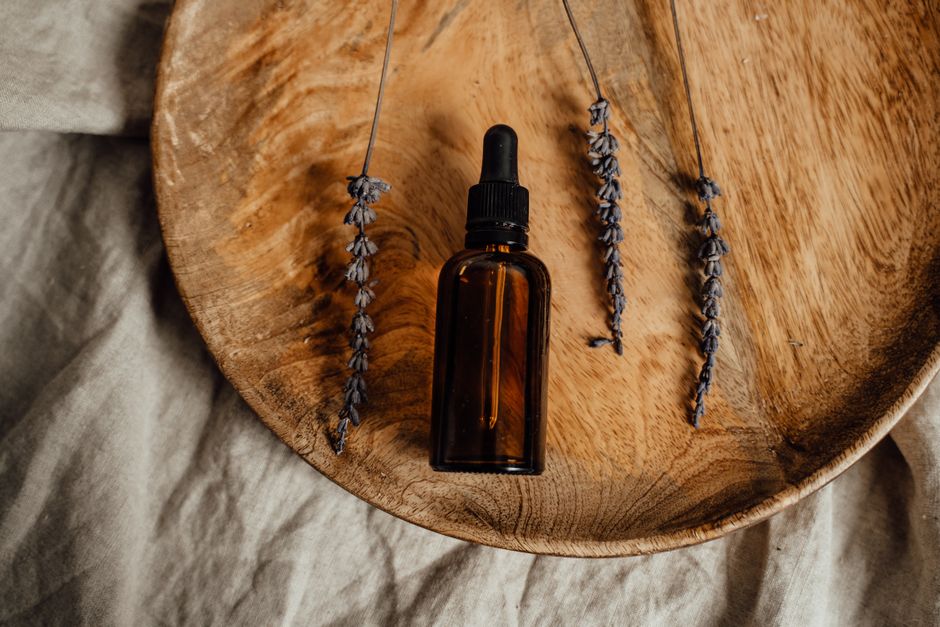
Best Essential Oils for Sleep 2026: What Actually Works
The best essential oils for sleep in 2026, from lavender to cedarwood. What the research shows, how to use them safely, and which diffusers are worth it.
Best Essential Oils for Sleep 2026: What Actually Works
Essential oils are one of the oldest and gentlest sleep tools around, and lavender in particular has real research behind it. If you want to know which essential oils actually help with sleep in 2026, how to use them safely, and whether they are worth it, this guide gives you the honest answer without the wellness hype. We will also cover safe use, since natural does not mean risk-free, especially around kids and pets.
We looked at the evidence and practical use to sort the genuinely helpful oils from the ones that are mostly pleasant scent.
TL;DR: Quick Verdict
Lavender is the best-researched essential oil for sleep and the one to start with. It is calming, widely available, and backed by more studies than any other option. Good supporting choices include cedarwood, bergamot, chamomile, and sweet marjoram. Essential oils will not cure insomnia, but as part of a calming bedtime routine they can help you relax and wind down. Use them in a diffuser or diluted on the skin, never undiluted, and keep them away from pets and young children without guidance.
Do Essential Oils Actually Help You Sleep?
Here is the honest take. Aromatherapy works mostly through relaxation and routine, not by drugging you to sleep.
Lavender is the standout. According to the Sleep Foundation, several studies have found that lavender aroma can improve sleep quality and help people feel more relaxed, though effects are modest and research quality varies.
Two things are true at once:
- The scent-plus-ritual effect is real. A calming smell paired with a consistent wind-down helps signal your brain that sleep is coming.
- The claims that a few drops will fix serious insomnia are not supported. Treat oils as a relaxation aid, not a cure.
That framing keeps expectations realistic, which is exactly how you avoid wasting money on a shelf full of bottles.
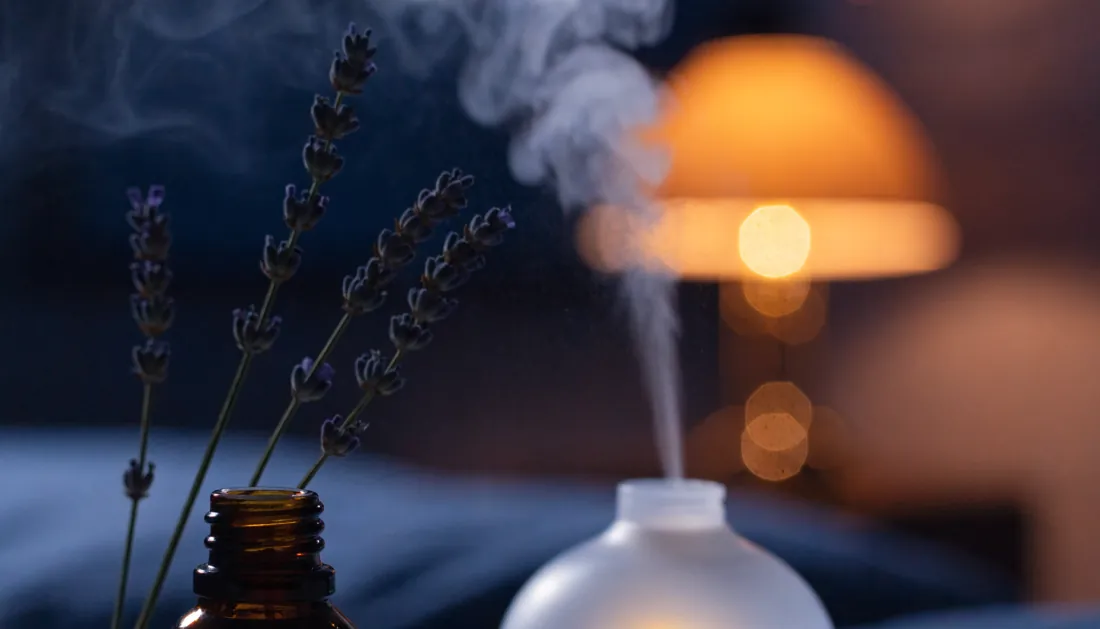
The Best Essential Oils for Sleep
Here are the options worth your attention.
1. Lavender
The clear number one. Lavender is the most studied essential oil for sleep and relaxation, with a soft floral scent most people find calming. If you only try one, make it this. It works well in a diffuser or as a pillow spray.
2. Cedarwood
A warm, woody scent that many people find grounding at night. It is a good choice if you find lavender too floral, and it blends nicely with lavender for a deeper aroma.
3. Bergamot
A citrus oil that, unlike most citrus scents, is calming rather than energizing. It is often used to ease tension before bed. Note that some bergamot can increase sun sensitivity on skin, so diffusing is the safer route.
4. Chamomile (Roman)
The same plant behind the classic bedtime tea. Its soft, apple-like scent is gentle and relaxing, and it pairs well with lavender.
5. Sweet Marjoram
A lesser-known but genuinely calming herbal oil that many aromatherapy fans reach for at night. Worth trying if you want something beyond the usual lavender.
Comparison Table
| Oil | Scent Profile | Best For |
|---|---|---|
| Lavender | Soft floral | Best all-around, most researched |
| Cedarwood | Warm, woody | People who dislike floral scents |
| Bergamot | Calming citrus | Easing tension before bed |
| Chamomile | Gentle, apple-like | Sensitive sleepers |
| Sweet Marjoram | Warm herbal | Variety beyond lavender |
Quality varies a lot between brands, so look for pure oils with the botanical name on the label.
How to Use Essential Oils Safely
This is the part that matters most, because misuse is common.
- Use a diffuser. Adding a few drops to water in an ultrasonic diffuser is the easiest and safest method. Run it for 30 to 60 minutes as you wind down.
- Dilute for skin. Never apply undiluted essential oil to skin. Mix a few drops into a carrier oil like jojoba or coconut before applying to wrists or feet.
- Try a pillow spray. A light lavender pillow mist is a simple option, either store-bought or made by diluting oil in water with a little witch hazel.
- Ventilate. Do not run a strong diffuser in a sealed room all night. A short session before bed is plenty.
Do not ingest essential oils. Swallowing them can be dangerous, and there is no need to do so for sleep benefits.
Important Safety Notes for Pets and Kids
This gets overlooked far too often. Many essential oils that are fine for adults can be harmful to pets, especially cats, and to young children.
- Cats and dogs can be sensitive to diffused oils. Some oils are toxic to them. If you have pets, diffuse only in ventilated spaces they can leave, and check which oils are safe for your specific animal.
- Babies and young children have more sensitive airways. Talk to a pediatrician before using oils around them, and keep diffusers out of reach.
- Pregnancy and asthma warrant caution too. Check with a doctor if either applies.
When in doubt, less is more. A faint scent is enough to help you relax.
Some links in this article may be affiliate links. If you buy through them, we may earn a small commission at no extra cost to you. We only recommend products we believe are genuinely useful.
Fitting Oils Into a Wind-Down Routine
Essential oils work best as a cue in a consistent routine rather than a standalone fix.
- Start the diffuser as you begin your wind-down, so the scent becomes a signal for sleep.
- Pair it with dim lights, no screens, and a steady bedtime.
- Keep the same oil for a few weeks so your brain links the scent with sleep.
The ritual is doing as much work as the chemistry. For the bigger foundation that actually moves the needle on sleep, see our sleep habits and routines guide.
FAQ
Q: What is the best essential oil for sleep? Lavender is the best-researched and most reliable choice. It is calming, widely available, and a great starting point before you experiment with others like cedarwood or chamomile.
Q: Do essential oils really help you sleep? They can help you relax and wind down, especially lavender, but the effect is modest. Think of them as a calming ritual, not a cure for insomnia.
Q: How do I use essential oils for sleep? The easiest way is a few drops in an ultrasonic diffuser run for 30 to 60 minutes before bed. You can also dilute oil in a carrier for skin or use a light pillow spray. Never apply undiluted or ingest them.
Q: Are essential oils safe around pets? Not always. Some oils are toxic to cats and dogs. Diffuse only in ventilated rooms your pet can leave, and check which oils are safe for your specific animal before using them.
Q: Can I leave a diffuser on all night? It is better to run it for a short session before bed rather than all night. A brief diffusion is enough to help you relax and avoids overwhelming the room.
Final Recommendation
For most people in 2026, lavender is the best essential oil for sleep and the smart place to start, since it has the most research and a scent nearly everyone finds calming. Use it in a diffuser for 30 to 60 minutes as part of a consistent wind-down, and add cedarwood or chamomile if you want variety. Keep expectations realistic, since oils help you relax rather than force sleep, and always use them safely, especially around pets and children. Paired with good habits, a little lavender can be a genuinely pleasant part of a better night.
Topics Covered
Written by
Sleep Team
We are an independent team that researches sleep products and the science behind them, then writes honest, practical guides. We are not doctors, and our content is general information, not medical advice.