Sleep Trackers
Oura Ring 3 Review 2026: Still Worth It After the Hype?
Our honest Oura Ring 3 review for 2026 covers accuracy, subscription costs, comfort, and who should actually buy it before spending $350+.
•8 min read
Sleep Optimization Made Simple
Discover the best sleep optimization products, expert guides, and bedroom upgrades to help you fall asleep faster, sleep deeper, and wake up restored.
Explore sleep optimization guides organized by category
Light, noise, temperature & air quality
Explore guides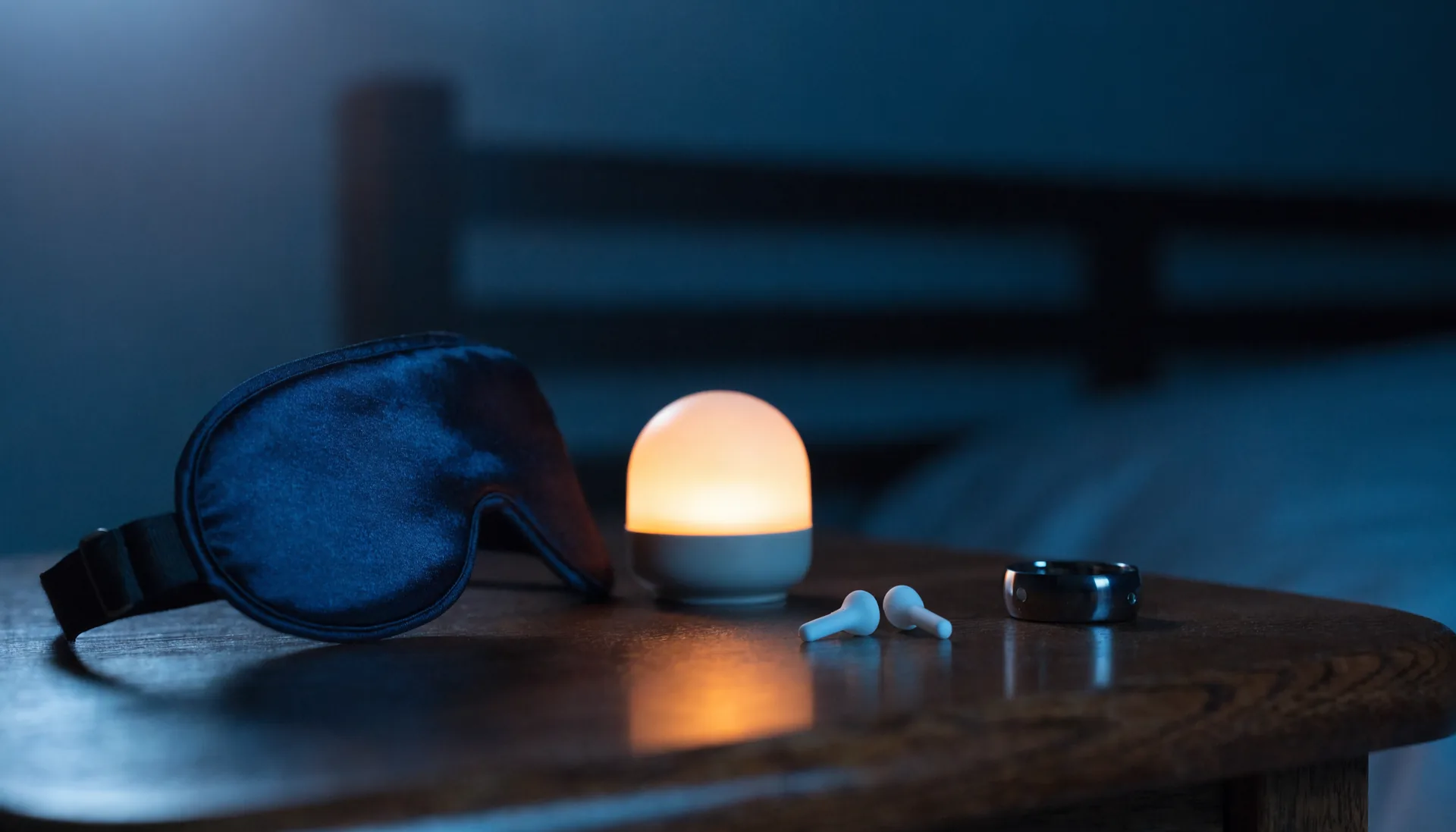
Masks, lamps, trackers & devices
Explore guides
Wind-down rituals & sleep hygiene
Explore guides
Magnesium, L-theanine & natural aids
Explore guides
Rings, bands & tracking devices
Explore guides
Sound machines & noise masking
Explore guidesChoose your focus area and discover science-backed strategies to transform your nights
Master your bedroom setup with optimal light, noise, temperature, and air quality for deeper sleep.
Discover the best sleep masks, red light lamps, trackers, and devices that actually improve your rest.
Build sustainable wind-down rituals and sleep hygiene practices that work with your lifestyle.
Recent guides on sleep optimization and better rest
Our honest Oura Ring 3 review for 2026 covers accuracy, subscription costs, comfort, and who should actually buy it before spending $350+.
Reddit debates melatonin vs magnesium for sleep constantly. Here's what the science and real user patterns actually say in 2026.
Discover what Reddit sleepers genuinely recommend for natural pillows in 2026. Honest breakdowns of latex, buckwheat, wool, and kapok options.
Cutting through the hype: what Reddit users genuinely report about the Oura Ring 4 in 2026, covering accuracy, comfort, battery, and who should skip it.
We cut through the hype and cover what Reddit users actually report about the Eight Sleep Pod 5 in 2026, including real pros, cons, and who should buy it.
We dug through hundreds of Reddit threads so you don't have to. Here's what real Eight Sleep owners actually think in 2026, good and bad.
Most-read sleep optimization articles this month
Quick answers to common questions about improving sleep quality
Start with the basics: set a consistent sleep/wake window, darken your room, lower screen brightness 60 to 90 minutes before bed, and aim for a slightly cooler bedroom. Then add tools or supplements only after these foundations are in place.
No. Many people see big improvements from light, noise, and routine alone. Gadgets and trackers are optional accelerators, most useful when they help you see patterns and stay consistent, not as magic fixes.
Magnesium (especially glycinate or threonate), L-theanine, and glycine are common starting points. Melatonin can help with jet lag or shifting your schedule, but is often overused. Always consult a professional if you have health conditions or take medications.
Some changes, like blackout curtains or white noise, can help the first night. Habit-based changes, like consistent sleep times or reduced late scrolling, usually take 1 to 2 weeks before you clearly feel the difference.
Yes, but you need a more intentional routine: strong light exposure at your "morning," strict dark period when sleeping, strategic naps, and careful caffeine timing. We create guides specifically for shift workers and late-schedule lifestyles.
Chronic poor sleep is strongly linked to lower mood, reduced focus, worse decision-making, cravings, and long-term health risks. The good news: even modest improvements in sleep quality often create outsized gains in energy, patience, and productivity.