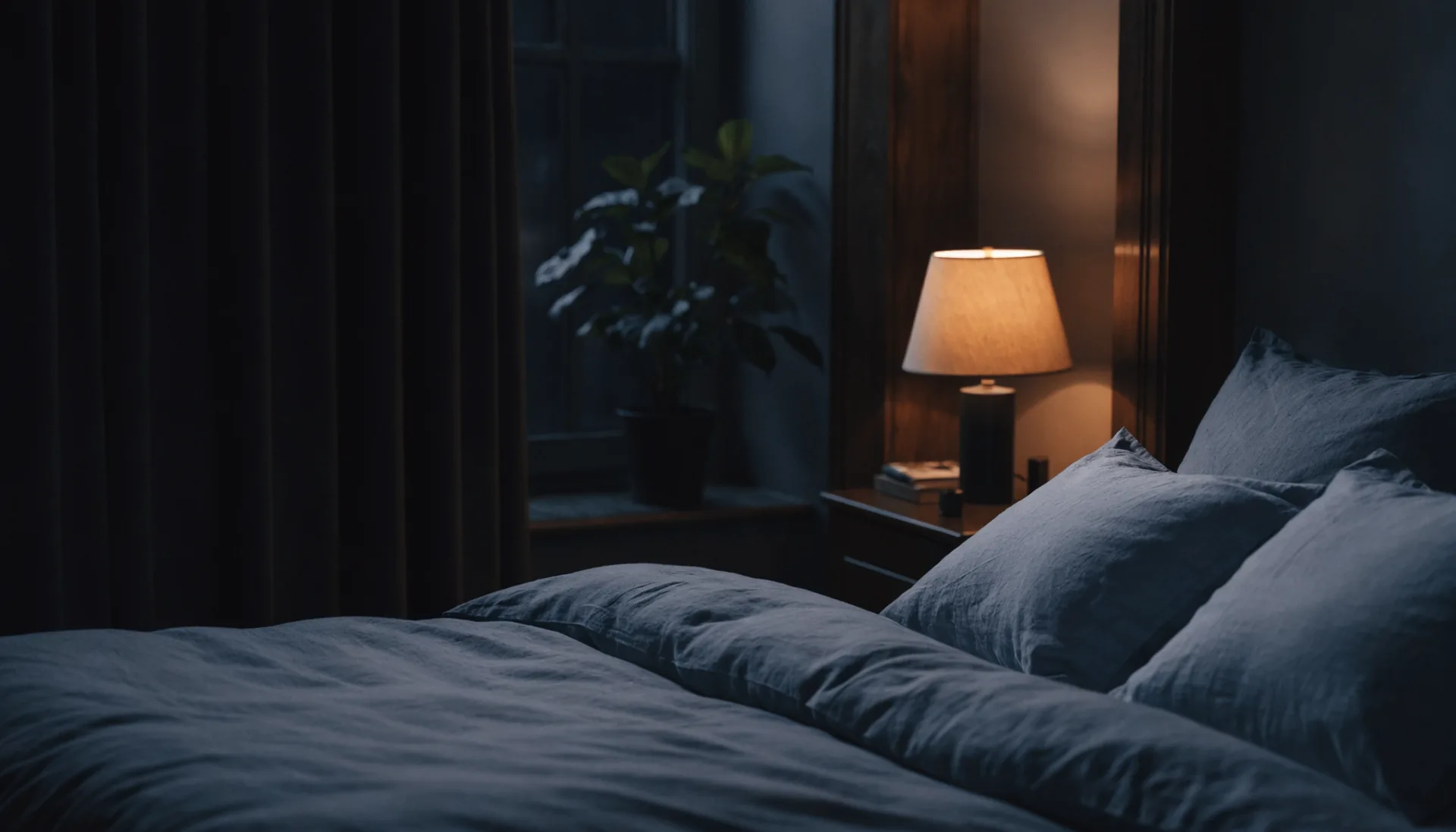
How to Optimize Your Bedroom Environment for Better Sleep
Transform your bedroom into a sleep sanctuary with science-backed tips on light control, temperature, noise management, and air quality.
Creating the perfect sleep environment is one of the most impactful changes you can make to improve your sleep quality. Your bedroom should be a sanctuary optimized for rest, not a multipurpose space that sends mixed signals to your brain.
Tie these upgrades together with the behaviors in Sleep Habits That Work and layer in sound tools from our best white noise machines guide for a complete recovery routine.
Light Control: The Foundation of Sleep
Light exposure is the most powerful regulator of your circadian rhythm. Even small amounts of light can suppress melatonin production and disrupt your sleep-wake cycle.
Key strategies:
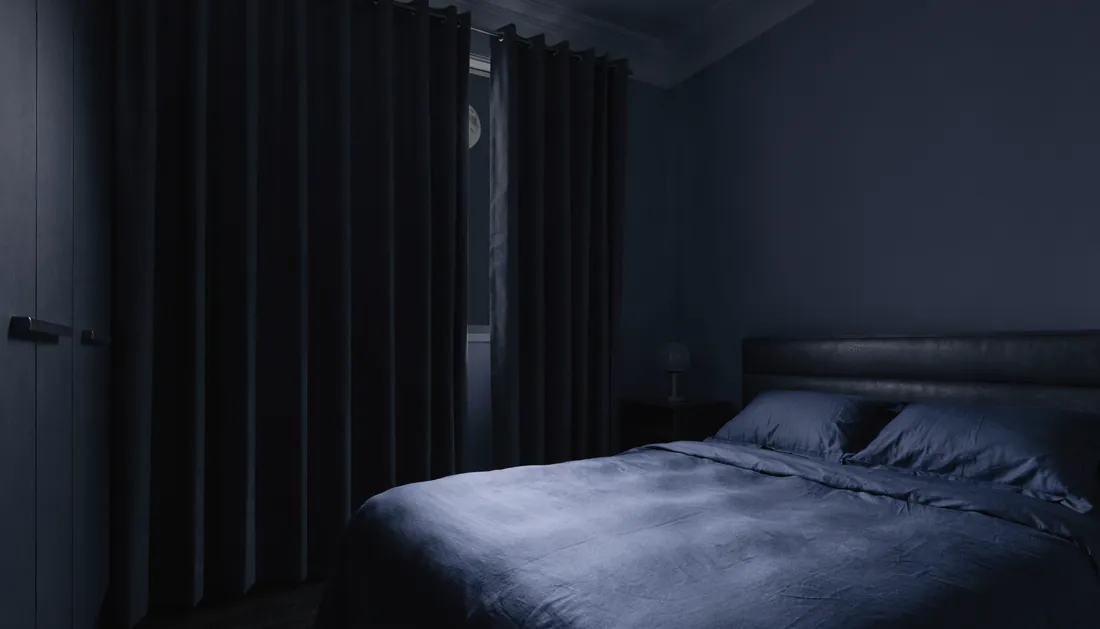
- Install blackout curtains or blinds to block external light
- Remove or cover LED lights from electronics
- Use red or amber lighting for evening activities
- Avoid screens 60-90 minutes before bed
Temperature Optimization
The ideal bedroom temperature for sleep is between 60-67°F (15-19°C). Your body temperature naturally drops during sleep, and a cooler room facilitates this process.
Temperature tips:
- Set your thermostat to 65-68°F at night
- Use breathable bedding materials
- Consider a cooling mattress pad or pillow
- Layer blankets for adjustability
Noise Management
Silence isn’t always golden—sometimes consistent, gentle noise works better than pure quiet.
Noise solutions:
- Use white noise machines to mask disruptive sounds
- Try pink noise for deeper, more natural sound masking
- Invest in quality earplugs for complete silence
- Address squeaky doors, windows, or bed frames
Air Quality and Humidity
Poor air quality and incorrect humidity levels can cause restless sleep, dry throat, and congestion.
Air quality essentials:
- Maintain 30-50% humidity with a humidifier or dehumidifier
- Use HEPA air purifiers to remove allergens
- Keep plants that improve air quality (snake plant, aloe vera)
- Ensure proper ventilation
Creating Your Sleep Sanctuary
Your bedroom should signal “sleep” to your brain. Remove work materials, exercise equipment, and minimize clutter. Reserve your bed exclusively for sleep and intimacy—not for scrolling, working, or watching TV.
The investment you make in your sleep environment pays dividends in energy, focus, and overall health.
Frequently Asked Questions
Q: What is the ideal bedroom temperature for sleep? The ideal bedroom temperature is between 60 and 67°F, or 15 to 19°C, with a nighttime thermostat setting of 65 to 68°F. Your body temperature naturally drops during sleep, and a cooler room helps that process along.
Q: What is the single most impactful change for better sleep? Light control is the foundation, and blocking outside light is the single highest-impact bedroom change for most people. Even small amounts of light can suppress melatonin production and disrupt your sleep-wake cycle, so blackout curtains make a big difference.
Q: Is silence or white noise better for sleep? Silence is not always best. Consistent, gentle noise sometimes works better than pure quiet. White noise machines mask disruptive sounds, pink noise offers deeper and more natural masking, and quality earplugs work if you prefer complete silence.
Q: What humidity level is best for a bedroom? Aim to maintain 30 to 50% humidity using a humidifier or dehumidifier. Poor air quality and incorrect humidity can cause restless sleep, dry throat, and congestion, so HEPA air purifiers and proper ventilation also help.
Q: Should I use my bed for anything besides sleep? No. Reserve your bed exclusively for sleep and intimacy, not for scrolling, working, or watching TV. Removing work materials and clutter helps your bedroom signal sleep to your brain rather than sending mixed signals.
Written by
Sleep Team
We are an independent team that researches sleep products and the science behind them, then writes honest, practical guides. We are not doctors, and our content is general information, not medical advice.