Best Sleep Tools and Gadgets - Expert Reviews for 2024
Discover the top-rated sleep masks, red light lamps, white noise machines, and tracking devices that improve sleep quality.
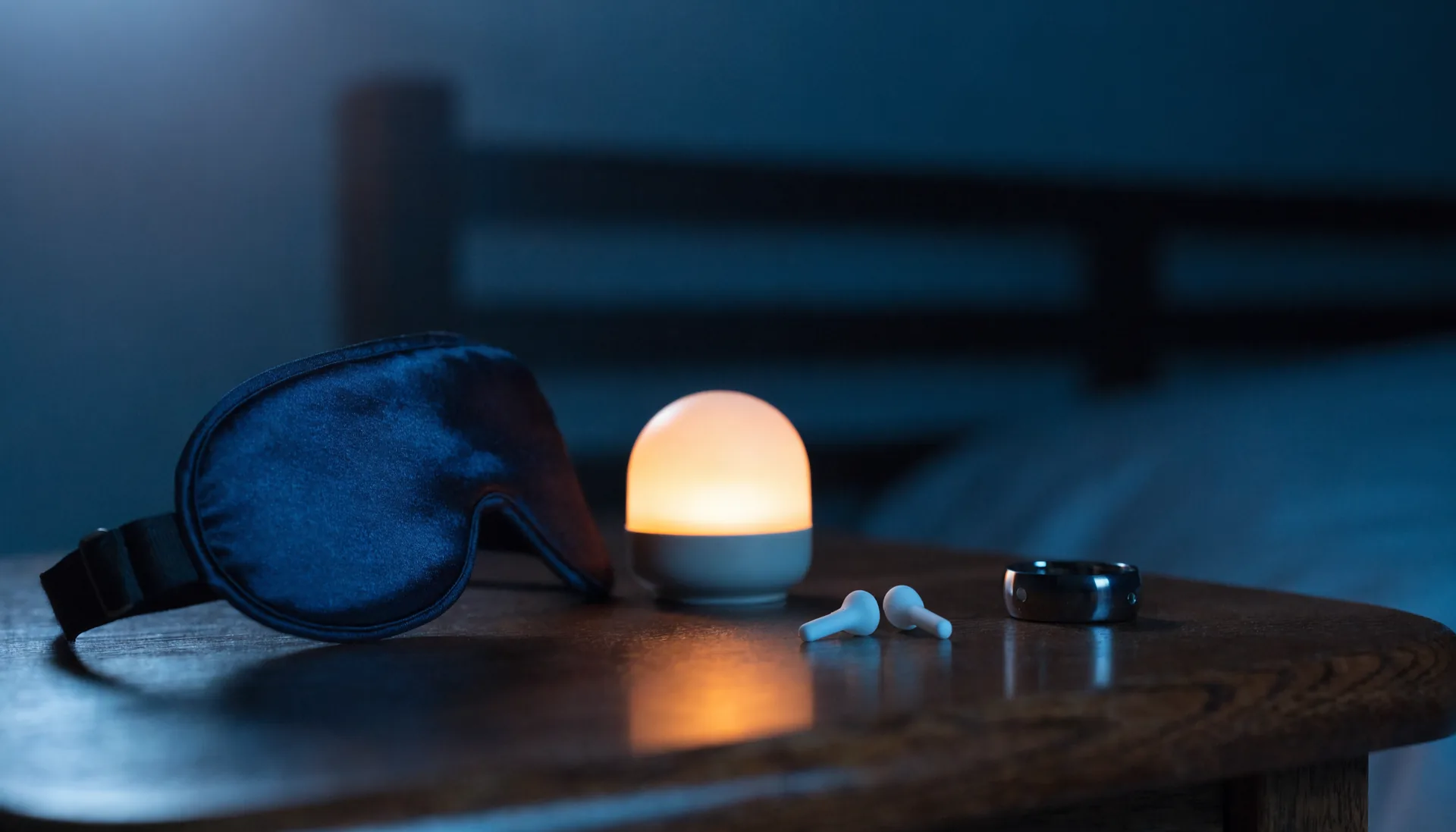
Not all sleep tools are created equal. After testing dozens of products, we’ve identified the gadgets that truly make a difference in sleep quality—and the overhyped ones to avoid.
Sleep Masks: Block Light, Improve Sleep
A quality sleep mask can be transformative, especially for shift workers or those sensitive to light.
Top picks:
- Contoured 3D masks: Allow eye movement during REM sleep
- Weighted silk masks: Provide gentle pressure for relaxation
- Bluetooth sleep masks: Combine light blocking with calming audio
Red Light Therapy Lamps
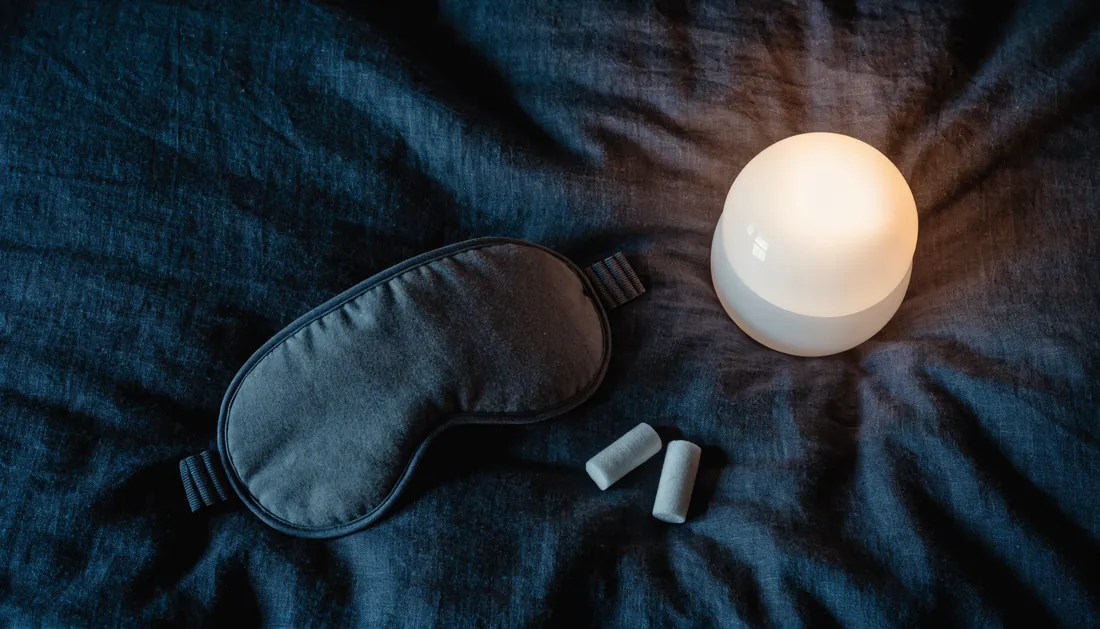
Red and amber wavelengths don’t suppress melatonin like blue light does, making them ideal for evening use.
Best options:
- Book lights with red/amber LEDs
- Smart bulbs that shift to warm tones automatically
- Red light therapy panels for pre-sleep wind-down
White Noise Machines
Consistent background noise masks disruptive sounds and creates a sonic cocoon for sleep.
What works:
- Dedicated white noise machines (not apps—better sound quality)
- Fans for natural, consistent airflow and noise
- Pink or brown noise for deeper frequency masking
Sleep Trackers: Data That Matters
Tracking sleep can be useful—if you focus on trends, not nightly obsession.
Worth considering:
- Oura Ring: Accurate heart rate variability and sleep staging
- WHOOP Strap: Recovery-focused metrics for athletes
- Eight Sleep Pod: Active temperature regulation plus tracking
Smart Features to Look For
The best sleep tech integrates seamlessly into your routine:
- Gradual sunrise alarm clocks
- Temperature-regulating mattress pads
- Air quality monitors with automated purifiers
- Smart thermostats that lower temperature at bedtime
What NOT to Buy
Avoid gimmicks like “sleep-inducing” headbands, expensive essential oil diffusers (a $15 one works fine), or tracking devices that create anxiety about sleep.
Invest in tools that solve real problems—light exposure, noise disruption, temperature regulation—not marketing promises.
Frequently Asked Questions
Q: What type of sleep mask is best? Contoured 3D masks allow eye movement during REM sleep, weighted silk masks add gentle pressure for relaxation, and Bluetooth masks combine light blocking with calming audio. A simple eye mask and earplugs often outperform expensive gadgets.
Q: Why use red light instead of blue light at night? Red and amber wavelengths do not suppress melatonin the way blue light does, which makes them ideal for evening use. Options include book lights with red or amber LEDs and smart bulbs that shift to warm tones automatically.
Q: Are dedicated white noise machines better than apps? Yes, dedicated white noise machines generally deliver better sound quality than apps. Fans provide natural, consistent airflow and noise, and pink or brown noise can offer deeper frequency masking.
Q: Which sleep trackers are worth considering? The Oura Ring offers accurate heart rate variability and sleep staging, the WHOOP Strap focuses on recovery metrics for athletes, and the Eight Sleep Pod adds active temperature regulation alongside tracking.
Q: What sleep gadgets are not worth buying? Avoid gimmicks like sleep-inducing headbands, expensive essential oil diffusers when a $15 one works fine, and tracking devices that create anxiety about sleep. Focus on tools that solve real problems like light, noise, and temperature.
Written by
Sleep Team
We are an independent team that researches sleep products and the science behind them, then writes honest, practical guides. We are not doctors, and our content is general information, not medical advice.