Best Sleep Trackers 2024 - Oura, WHOOP, and Wearables Compared
In-depth comparison of sleep tracking rings, bands, and devices for accurate data and actionable insights.
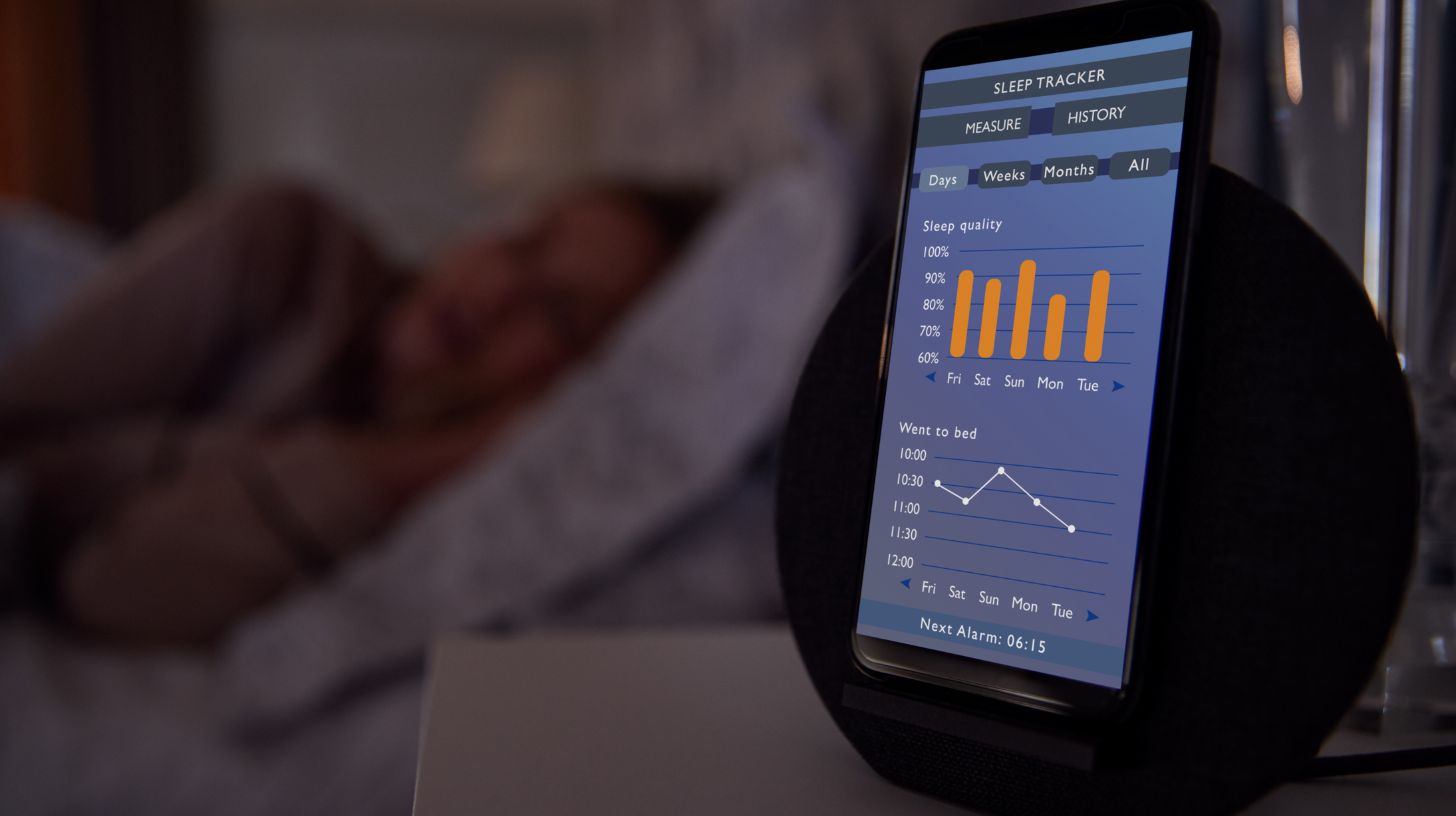
Sleep tracking can provide valuable insights—if you use the right device and interpret the data correctly. Here’s how to choose.
Why Track Sleep?
Good sleep tracking helps you:
- Identify patterns in sleep quality
- Correlate lifestyle factors with sleep outcomes
- Track recovery from training or stress
- Optimize bedtime and wake time
The trap: Obsessing over nightly scores instead of weekly trends.
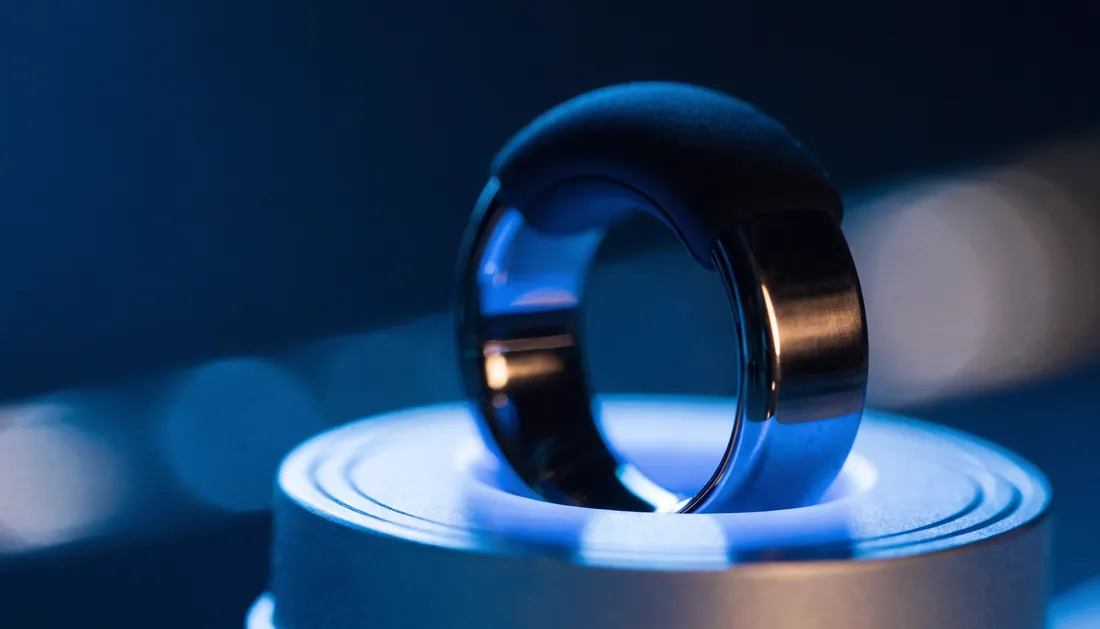
Oura Ring: Best for Comprehensive Sleep Insights
The Oura Ring is the gold standard for sleep tracking without wrist discomfort.
Pros:
- Highly accurate heart rate variability (HRV) and sleep staging
- Comfortable to wear all night
- Excellent temperature tracking
- Long battery life (4-7 days)
- Readiness score helps guide daily activity
Cons:
- Expensive ($299-$549)
- Requires subscription ($5.99/month)
- Sizing must be exact
Best for: Anyone serious about optimizing sleep and recovery
WHOOP Strap: Best for Athletes
WHOOP focuses on recovery, strain, and sleep as performance metrics.
Pros:
- Exceptional HRV and respiratory rate tracking
- Recovery score guides training intensity
- No screen = no distractions
- Waterproof and durable
Cons:
- Subscription-only model ($30/month or $239/year)
- No one-time purchase option
- Wrist band can feel bulky during sleep
Best for: Athletes and fitness enthusiasts tracking training load
Apple Watch: Best for Existing iOS Users
Convenient if you already own one, though not optimized solely for sleep.
Pros:
- Sleep staging, heart rate, blood oxygen
- Integrates with Apple Health ecosystem
- No additional subscription for basic sleep tracking
- Can detect sleep apnea indicators
Cons:
- Must charge daily (awkward timing)
- Battery life requires daytime charging or second watch
- Less accurate HRV than dedicated trackers
Best for: Apple users who want all-in-one functionality
Garmin Watches: Best for Battery Life
Garmin excels in multi-day tracking without constant charging.
Pros:
- 5-14 day battery life (model dependent)
- Detailed sleep staging and Body Battery metric
- No subscription required
- Advanced training features
Cons:
- Bulkier than rings or minimal bands
- Interface less intuitive than competitors
- Sleep tracking accuracy varies by model
Best for: Outdoor enthusiasts and endurance athletes
Fitbit: Best Budget Option
Affordable entry into sleep tracking with decent accuracy.
Pros:
- Affordable ($79-$329 depending on model)
- Sleep Score and sleep stages included
- Long battery life (5-7 days)
- Optional Premium features ($9.99/month)
Cons:
- Less accurate HRV than premium trackers
- Premium subscription pushes upsells
- Sleep staging can be inconsistent
Best for: Budget-conscious beginners
What to Look For in a Sleep Tracker
Prioritize these features:
- HRV accuracy: Best indicator of recovery and stress
- Battery life: Must last multiple nights between charges
- Comfort: You won’t wear it if it’s uncomfortable
- Actionable insights: Trends and recommendations, not just raw data
Metrics That Matter
Focus on:
- Sleep efficiency: Time asleep / time in bed
- Deep sleep and REM percentages: Track trends over weeks
- HRV trends: Rising HRV = better recovery
- Resting heart rate: Lower is generally better
Ignore:
- Nightly scores (too variable)
- Exact sleep stage times (margin of error is high)
- Sleep debt (often inaccurate)
The Most Important Rule
Don’t let tracking create sleep anxiety. If seeing the data makes you stressed, stop tracking and focus on consistent sleep habits instead.
Use trackers to identify patterns and test interventions—not to judge yourself every morning.
Frequently Asked Questions
Q: Which sleep tracker is the most accurate? The Oura Ring is described here as the gold standard for sleep tracking, offering highly accurate heart rate variability and sleep staging without wrist discomfort. It runs $299 to $549 and requires a $5.99 per month subscription.
Q: What is the best sleep tracker for athletes? The WHOOP Strap focuses on recovery, strain, and sleep as performance metrics, with a recovery score that guides training intensity. It is subscription-only at $30 per month or $239 per year with no one-time purchase option.
Q: Is the Apple Watch good for sleep tracking? It is convenient if you already own one, offering sleep staging, heart rate, blood oxygen, and Apple Health integration with no extra subscription for basic tracking. The main drawback is daily charging, which creates awkward timing for overnight wear.
Q: Which sleep tracker has the best battery life? Garmin watches excel here with 5 to 14 day battery life depending on the model, plus detailed sleep staging and no subscription required. They are bulkier than rings or minimal bands.
Q: What sleep metrics actually matter? Focus on sleep efficiency, deep sleep and REM percentages over weeks, HRV trends, and resting heart rate. Ignore highly variable nightly scores, exact sleep stage times, and often-inaccurate sleep debt.
Written by
SleepUpgradeHub Team
We are an independent team that researches sleep products and the science behind them, then writes honest, practical guides. We are not doctors, and our content is general information, not medical advice.