Best Earplugs for Sleeping 2026: Block Out Noise
The best earplugs for sleeping in 2026, tested for comfort, noise blocking, and side sleepers. Top picks for snoring partners, cities, and light sleepers.
Best Earplugs for Sleeping 2026: Block Out Noise
If a snoring partner, thin walls, or a noisy street is wrecking your sleep, the right earplugs can be the cheapest fix you ever make. The best earplugs for sleeping in 2026 block enough noise to help you drift off while staying comfortable enough to wear all night, even on your side. This guide covers the top picks for different needs and budgets, plus how to get a proper seal so they actually work.
We compared noise reduction, comfort for side sleepers, reusability, and value to find options genuinely worth buying.
TL;DR: Quick Verdict
For most people in 2026, Mack’s Ultra Soft Foam Earplugs are the best all-around pick: cheap, high noise reduction, and comfortable for most sleepers. Best reusable pick: Loop Quiet 2, which are soft silicone and last for months. Best for side sleepers: low-profile silicone or moldable wax like Mack’s Pillow Soft. Best premium option: Ozlo Sleepbuds if you want to mask noise with sound rather than just block it. More on each below.
How Earplugs Are Rated for Noise
Earplugs are measured by a Noise Reduction Rating, or NRR, shown in decibels. A higher NRR blocks more sound. Foam plugs usually have the highest ratings, often in the low-to-mid 30s, while soft reusable silicone plugs tend to be a bit lower.
A couple of honest points most product pages skip:
- No earplug blocks all sound. Even the best cut noise, they do not create silence. Deep snoring and heavy bass can still come through.
- The rating only holds if you insert them correctly. A poorly seated foam plug can lose much of its rating.
If your main problem is a snoring partner, pairing earplugs with a white noise machine works far better than either alone, since the steady sound masks the snoring peaks the plugs let through.
Foam vs Silicone vs Wax
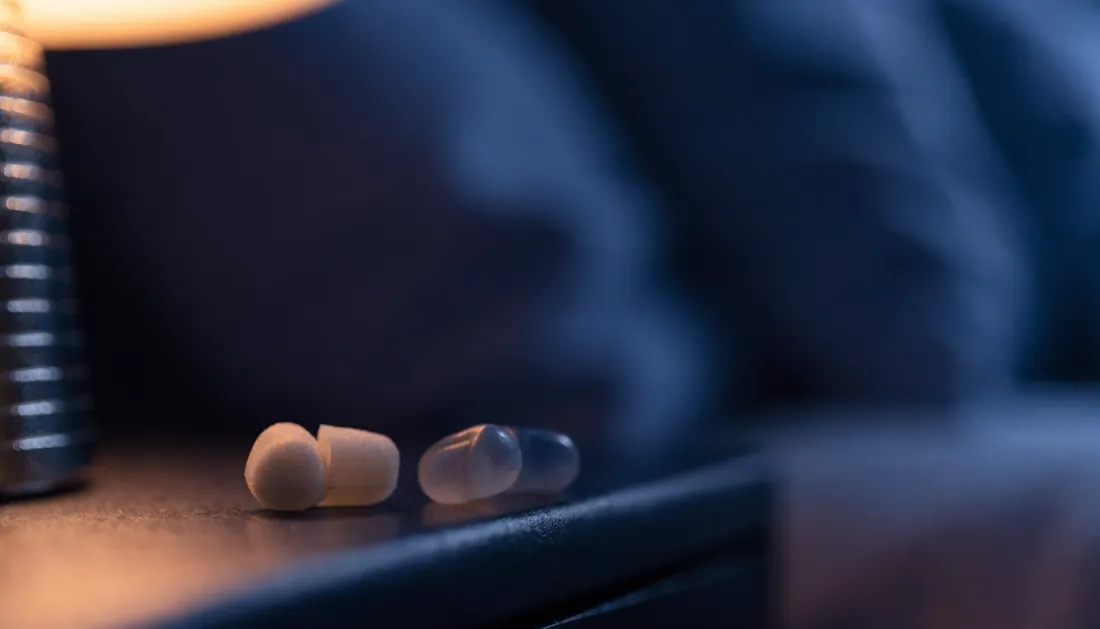
The three main types each suit different sleepers.
Foam earplugs offer the highest noise reduction and the lowest price. You roll them, insert, and let them expand. The downside is they are single-use or last only a few nights, and some people find the deep-insertion feeling uncomfortable.
Reusable silicone earplugs like the Loop line are washable, last for months, and have a lower profile. They block a bit less noise than foam but are more comfortable for many people and better for side sleepers.
Moldable wax or silicone putty sits over the entrance of the ear canal rather than deep inside. This is the gentlest option and the best for side sleepers or anyone who hates the plugged-up feeling, though noise blocking is more moderate.
The Best Earplugs for Sleeping in 2026
Here are the picks that stood out.
1. Mack’s Ultra Soft Foam Earplugs (around $10 to $15 for a large pack)
The default recommendation. These soft foam plugs have one of the highest noise reduction ratings available and cost almost nothing per pair. They are the go-to for blocking a snoring partner or city noise. The trade-off is comfort for side sleepers and the need to replace them regularly.
2. Loop Quiet 2 (around $25)
The best reusable pick. Soft silicone with interchangeable tip sizes for a custom fit, washable, and a low profile that many side sleepers tolerate well. They block less than foam but are far more comfortable for nightly use, and they last for months, which makes the higher price reasonable over time.
3. Mack’s Pillow Soft Silicone Putty (around $8 to $12)
The best choice for side sleepers and sensitive ears. This moldable putty seals the ear opening without going deep into the canal, so there is no pressure when your ear is against the pillow. Noise blocking is moderate, so it suits general noise more than heavy snoring.
4. Flare Calmer / Sleeep (around $20 to $30)
A different concept. Some Flare products aim to soften harsh frequencies rather than block everything, so you still hear an alarm. Worth a look if full blocking makes you anxious about missing something important.
5. Ozlo Sleepbuds (around $250 to $300)
The premium option. These are tiny in-ear buds designed for sleep that play masking sounds and can fade to quiet, blending noise blocking with sound masking. Expensive and a bigger commitment, but a strong pick for serious light sleepers who have tried everything.
Comparison Table
| Earplug | Approx. Price | Type | Best For | Reusable |
|---|---|---|---|---|
| Mack’s Ultra Soft Foam | $10-$15 | Foam | Max noise blocking, budget | No |
| Loop Quiet 2 | $25 | Silicone | Nightly reusable use | Yes |
| Mack’s Pillow Soft | $8-$12 | Wax/silicone putty | Side sleepers | No |
| Flare Calmer | $20-$30 | Silicone | Softening harsh sound | Yes |
| Ozlo Sleepbuds | $250-$300 | Electronic buds | Serious light sleepers | Yes |
Prices vary, so treat these as ballpark figures.
How to Insert Earplugs the Right Way
Most people who say earplugs do not work are inserting them wrong. For foam plugs:
- Roll the plug into a thin, tight cylinder between your fingers.
- Reach over your head with the opposite hand, pull your ear up and back to straighten the canal.
- Insert the plug and hold it for 20 to 30 seconds while it expands to seal.
If you can still hear your own voice loud and hollow, the seal is good. If outside noise is barely muffled, the plug is not in far enough. For silicone tips like Loop, try each tip size until noise drops noticeably and the fit feels secure without pain.
Safety and Comfort Notes
Earplugs are safe for nightly use for most people, but a few tips help:
- Keep them clean. Replace foam plugs often and wash reusable ones to avoid ear infections.
- Do not push any plug painfully deep. It should seal, not hurt.
- If you worry about missing an alarm, use a vibrating alarm or a sunrise alarm clock as a backup.
- If you get frequent ear pain, wax buildup, or infections, check with a doctor before using plugs nightly.
Some links in this article may be affiliate links. If you buy through them, we may earn a small commission at no extra cost to you. We only recommend products we believe are genuinely useful.
FAQ
Q: What are the best earplugs for sleeping with a snoring partner? High-NRR foam plugs like Mack’s Ultra Soft block the most noise, but snoring has low frequencies that still leak through. Pairing them with a white noise machine works better than plugs alone.
Q: Are foam or silicone earplugs better for sleep? Foam blocks more noise and costs less but is less comfortable for side sleepers and needs frequent replacing. Reusable silicone like Loop is more comfortable and lasts longer, blocking slightly less.
Q: Are earplugs safe to wear every night? For most people, yes, as long as you keep them clean, replace foam regularly, and do not insert them painfully deep. See a doctor if you get frequent ear pain or infections.
Q: What earplugs are best for side sleepers? Low-profile options work best. Moldable putty like Mack’s Pillow Soft or soft silicone plugs like Loop Quiet sit flatter and cause less pressure when your ear is on the pillow.
Q: Will earplugs stop me from hearing my alarm? They lower the volume but rarely block a loud alarm completely. If you are a heavy sleeper, use a vibrating alarm or a bright sunrise alarm clock as a backup.
Final Recommendation
For most sleepers in 2026, Mack’s Ultra Soft Foam earplugs are the best value for blocking noise, and at a few dollars a pack they are worth trying first. If you want something reusable and comfortable for every night, the Loop Quiet 2 are the smarter long-term buy, and side sleepers should reach for moldable putty. Whatever you choose, focus on getting a proper seal, because a well-inserted cheap plug beats an expensive one worn wrong. And for snoring specifically, add a white noise machine to cover what the plugs miss.
Topics Covered
Written by
Sleep Team
We are an independent team that researches sleep products and the science behind them, then writes honest, practical guides. We are not doctors, and our content is general information, not medical advice.