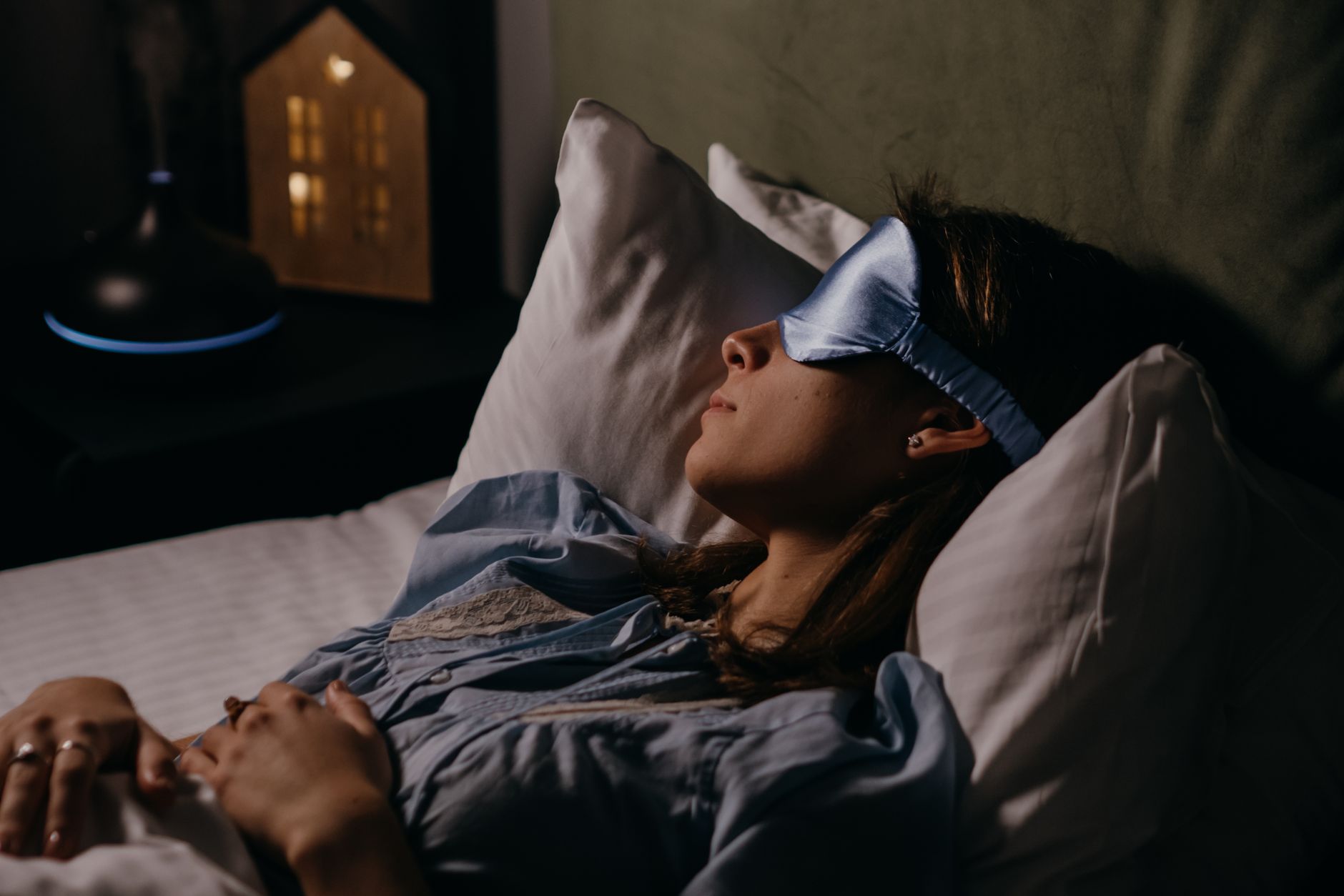
Best Sleep Aid for Adults: What Reddit Gets Right in 2026
Discover what adults on Reddit actually discuss about sleep aids in 2026, plus honest reviews, safety tips, and expert-backed picks that work.
Best Sleep Aid for Adults: What Reddit Really Says in 2026
If you search “best sleep aid for adults Reddit,” you are not alone. Millions of people skip the polished review sites and head straight to Reddit to find out what real adults are using to get better sleep. The problem is that Reddit threads can be messy, contradictory, and occasionally dangerous. This guide cuts through that noise. We looked at what people generally discuss in sleep-related subreddits, cross-referenced those conversations with guidance from the Sleep Foundation, the American Academy of Sleep Medicine (AASM), and NIH research, and built a genuinely useful resource for 2026.
Quick Verdict / TL;DR
There is no single best sleep aid for every adult. What works depends on why you are not sleeping. Melatonin is the most commonly praised option in online communities for jet lag and irregular schedules, but it is not a long-term fix. Magnesium glycinate gets a lot of quiet praise for general sleep quality. Prescription options and CBT-I therapy outperform supplements for chronic insomnia, according to the AASM. Keep reading to match the right tool to your situation.
This post is not medical advice. Talk to your doctor before starting any supplement or sleep medication, especially if you take other medications or have existing health conditions.
Why People Go to Reddit for Sleep Advice (And What to Watch Out For)
Reddit is useful for one specific reason: volume. Thousands of adults share first-hand experiences with supplements, habits, and products in communities like r/sleep and r/insomnia.
The downside is that anecdotes are not clinical data. Many users report feeling great about a product in the first week, then never update their thread after it stopped working. Confirmation bias is everywhere.
A common complaint seen across sleep subreddits is that people have already tried melatonin, given up, and are looking for something stronger. That pattern is worth paying attention to, because it usually means the root cause of their sleep problem was never addressed in the first place.
Use Reddit as a starting point, not a prescription. Pair what you read there with research from credible sleep organizations.
The Most Discussed Sleep Aids on Reddit in 2026
Online communities in 2026 tend to cluster around a handful of options. Here is what comes up most, and what is actually known about each.
Melatonin is still the first thing most people try. It works best for circadian rhythm issues, like shift work or travel, not for general insomnia. The Sleep Foundation notes that doses above 0.5 to 1 mg are rarely more effective and can cause grogginess the next day. Most over-the-counter products dose at 5 to 10 mg, which is far higher than necessary for most adults.
Magnesium glycinate is a consistent fan favorite in Reddit sleep threads. It is gentle on the stomach compared to magnesium oxide, and some research suggests it may support relaxation and sleep quality, though the NIH notes that evidence is still limited. Typical doses range from 200 to 400 mg taken 30 minutes before bed.
L-Theanine is often paired with magnesium. It is an amino acid found in green tea, and many users report it reduces racing thoughts without causing sedation. It is generally considered safe for most adults.
Ashwagandha has grown in popularity for stress-related sleep issues. Some clinical research suggests it may modestly improve sleep onset and quality when taken consistently over several weeks. It is not a knock-you-out supplement; it works more gradually.
OTC antihistamine-based aids like diphenhydramine (found in products like ZzzQuil and Unisom SleepTabs) are widely available and work fast. The AASM does not recommend them for regular use because tolerance builds within a few nights and they can cause next-day grogginess, dry mouth, and cognitive fog, particularly in adults over 50.
Some links may be affiliate links; we may earn a small commission at no extra cost to you.
A Comparison of Popular Sleep Aid Options
| Sleep Aid | Best For | Onset Time | Cost (Approx.) | Main Concern |
|---|---|---|---|---|
| Melatonin (low dose) | Jet lag, shift work | 30-60 min | $8 to $20 | Often overdosed; not for chronic insomnia |
| Magnesium Glycinate | General sleep quality | 45-90 min | $20 to $40 | Limited strong clinical data |
| L-Theanine | Quieting a busy mind | 30-60 min | $15 to $30 | Mild effect; works best with other habits |
| Ashwagandha | Stress-driven poor sleep | Days to weeks | $20 to $45 | Not for pregnant women or thyroid conditions |
| Diphenhydramine (OTC) | Short-term, occasional use | 20-30 min | $8 to $18 | Builds tolerance fast; risky in older adults |
| Prescription options | Chronic insomnia | Varies | Varies by plan | Requires doctor supervision |
Prices listed are approximate ranges as of 2026 and change frequently. Always check current pricing.
What Reddit Misses: CBT-I and Behavioral Fixes
Here is the thing that rarely gets enough attention in online sleep communities: supplements and medications treat symptoms. Cognitive Behavioral Therapy for Insomnia (CBT-I) treats the cause.
The AASM recommends CBT-I as the first-line treatment for chronic insomnia in adults, ranking it above any medication or supplement. It involves structured techniques like sleep restriction, stimulus control, and cognitive restructuring. It sounds clinical, but it is mostly a set of habits and mindset shifts.
Apps like Sleepio and Somryst bring CBT-I into a digital format. Somryst is FDA-cleared and designed for adults with chronic insomnia. These are not cheap, but for people who have been cycling through supplements for years with no lasting result, they are worth knowing about.
If you want a solid starting point for building better sleep habits, our guide to Sleep Habits and Routines That Work breaks this down step by step.
Who Should Avoid Common Sleep Aids (And Why This Matters)
Not every sleep aid is appropriate for every adult, and this is something Reddit threads often gloss over.
Melatonin can interact with blood thinners, diabetes medications, and immunosuppressants, according to the NIH. Pregnant and breastfeeding women should avoid it unless a doctor recommends otherwise.
Diphenhydramine is listed on the American Geriatrics Society’s Beers Criteria as a drug to avoid in adults 65 and older due to increased risk of confusion, urinary retention, and falls.
Ashwagandha should be avoided by people with thyroid disorders, autoimmune conditions, or hormone-sensitive conditions. It can also interact with thyroid medications and sedatives.
Prescription sleep medications like benzodiazepines and Z-drugs (such as zolpidem) carry real risks of dependence, tolerance, and withdrawal. They are appropriate in some clinical situations, but should only be used under close medical supervision.
If you are stacking supplements, such as melatonin plus magnesium plus L-theanine, talk to a pharmacist about interactions. “Natural” does not mean risk-free.
For a deeper look at supplements with solid evidence behind them, check out our Best Sleep Supplements Guide.
Building a Sleep Environment That Makes Any Aid Work Better
A sleep aid taken in a bad environment is fighting an uphill battle. Reddit threads about failed supplements almost always reveal a secondary issue: a room that is too bright, too warm, too noisy, or a person who is scrolling their phone until midnight.
Light and temperature matter enormously. The Sleep Foundation recommends a bedroom temperature between 65 and 68 degrees Fahrenheit for most adults. Blackout curtains and blue-light blocking strategies in the evening can also make a measurable difference.
Noise is a bigger problem than many people realize. White noise machines can mask disruptive sounds without the dependency risk of sleep medications. Our roundup of the Best White Noise Machines for Sleep covers the top options across different budgets in 2026.
If you want to track whether your changes are actually working, a sleep tracker can help you see objective data on your sleep stages and consistency. See our Sleep Trackers Comparison Guide for a full breakdown.
Frequently Asked Questions
Q: Is melatonin safe to take every night as an adult? Most sleep experts, including those at the AASM and Sleep Foundation, do not recommend nightly melatonin for extended periods without medical guidance. Short-term use for circadian disruption is generally considered safe, but regular use can potentially affect your body’s natural melatonin production over time. Talk to your doctor if you feel you need it every night.
Q: What do Reddit users generally say works better than melatonin? Many users in sleep communities report switching to magnesium glycinate or L-theanine after melatonin stopped working for them. Others find that fixing their sleep schedule and reducing screen time had a bigger impact than any supplement. The general consensus tends to favor combining a few low-risk habits over chasing a single pill.
Q: Are prescription sleep aids better than supplements? For chronic insomnia, the AASM says CBT-I outperforms both. Prescription medications work faster and more reliably than supplements but carry risks of dependence, tolerance, and side effects. They are appropriate for some people in some situations, not as a universal upgrade over supplements. This is a decision to make with your doctor.
Q: What sleep aids should older adults (65+) avoid? The American Geriatrics Society specifically flags diphenhydramine-based products (found in most OTC sleep aids) as high-risk for adults over 65. Benzodiazepines also carry elevated risk in this age group. Magnesium glycinate and low-dose melatonin are generally considered lower-risk options, but older adults should always confirm with their physician.
Q: Can I take multiple sleep supplements together? Combining supplements like melatonin, magnesium, and L-theanine is common and generally considered low-risk for healthy adults. However, stacking multiple supplements increases the chance of interactions, especially if you take prescription medications. Always check with a pharmacist or doctor before combining anything, even products labeled as “natural.”
Final Recommendation
If you are a generally healthy adult struggling with occasional sleep issues, start with the basics before reaching for a supplement. Tighten up your sleep schedule, cool your bedroom down, and reduce light exposure in the evening. If you still need support, low-dose melatonin for circadian issues or magnesium glycinate for general quality are reasonable first steps based on current evidence. For chronic insomnia, pursue CBT-I through your doctor or a digital program. And whatever you read on Reddit, run it past a real healthcare provider before making it part of your routine.
Topics Covered
Written by
Sleep Team
We are an independent team that researches sleep products and the science behind them, then writes honest, practical guides. We are not doctors, and our content is general information, not medical advice.


